Building
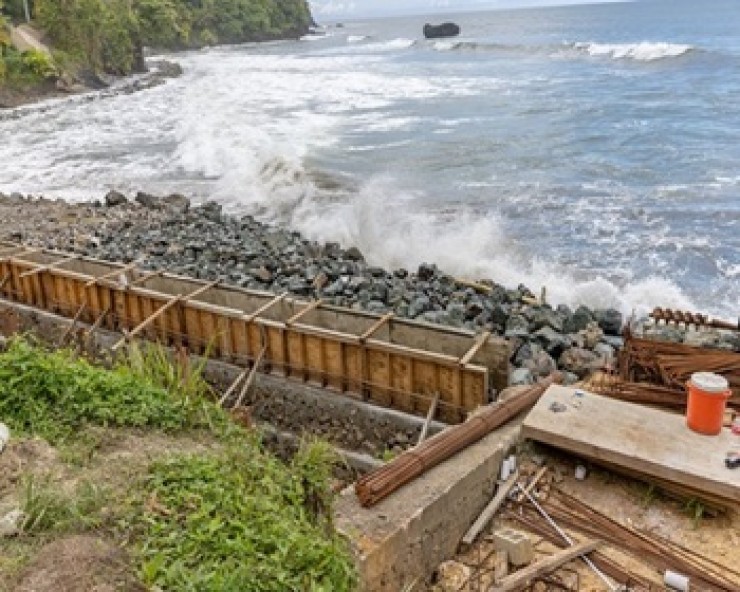
Shore Protection Works encompass the planning, design, and construction of structures and solutions aimed at combating coastal erosion, protecting properties, and managing shorelines against challenges like wave action and flooding. These efforts often integrate traditional "hard engineering" approaches, such as seawalls, groynes, breakwaters, and revetments, with "soft, nature based" techniques like dune restoration or sand replenishment to create sustainable resilience. Such measures are essential for safeguarding ports, reclaiming land, and shielding infrastructure located in areas vulnerable to these environmental stresses.
Core Services Provided:
Design & Engineering: Conducting feasibility studies, risk evaluations, and developing customized coastal defense plans.
Hard Structures: Building seawalls, breakwaters, revetments, groynes, and jetties using materials such as rip rap or concrete.
Soft Engineering: Executing projects like beach nourishment (sand addition), dune stabilization, and installation of geo technical systems (geosynthetics and geotubes).
Dredging: Ensuring optimal channel depths, managing sediment movement, and aiding land reclamation activities.
Erosion Control: Deploying strategies for stabilizing the banks of rivers, lakes, and coastal areas.
Project Management: Coordinating comprehensive management for all stages of coastal protection ventures.
Widely Utilized Solutions:
Seawalls/Bulkheads: Vertical barriers designed to deflect wave energy and safeguard the shoreline.
Revetments: Sloped surfaces made from rock or concrete to dissipate wave energy impact.
Groynes: Shore perpendicular installations aimed at capturing drifting sand.
Breakwaters: Offshore structures that moderate the force of incoming waves.
Beach Nourishment: Processes to enhance beach width by adding sand.
Importance of Implementation:
Ensuring the protection of public and private assets against erosion and flooding.
Supporting port functionality and vital infrastructure.
Reducing climate change induced risks like sea level rise and amplified storm activity.
Promoting stability for marine construction projects.