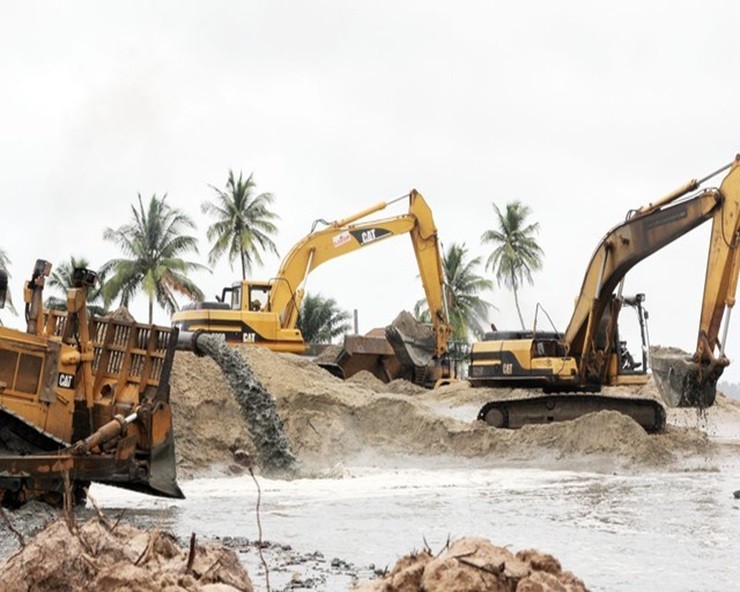
Construction of Remediation Works
The construction of remediation works focuses on addressing and rectifying defects, damages, or noncompliance issues in existing buildings and infrastructure.
The goal is to restore safety, functionality, and adherence to standards, encompassing everything from minor aesthetic repairs to extensive structural renovations. Such efforts are often prompted by factors like poor workmanship, environmental degradation, or unforeseen events like fires or floods. This process typically involves identifying the root causes, defining effective solutions, and executing appropriate repairs.
Key Aspects of Remedial Construction:
Purpose: To restore buildings or structures to a safe, functional, and regulatory compliant condition in line with contractual requirements, building codes, or environmental standards.
Scope: Tasks may range from straightforward repairs like plastering and painting to more elaborate projects such as structural modifications, facade restoration, or even complete demolition and reconstruction.
Causes: Common triggers include substandard construction practices, agerelated deterioration or exposure to weather, accidental damage caused by incidents such as fires or floods, and regulatory noncompliance.
Types of Remediation:
Structural: Resolving issues such as foundation problems, cracks, or structural instability.
Facade: Repairing external flaws like cracks, chipping, or leaning surfaces.
Environmental: Addressing pollution, contaminated areas, or ventilation deficiencies.
Defect Rectification: Amending poor workmanship or elements that fail to meet compliance requirements.
The Process of Remediation:
1. Identification and Assessment: Detecting defects, uncovering their root causes, and evaluating their scope—whether structural, functional, or cosmetic in nature.
2. Planning: Crafting a detailed plan for remediation involving input from specialists when needed.
3. Execution: Implementing the necessary repairs, replacements, or modifications as outlined in the plan.
4. Compliance: Verifying that the completed work adheres to established regulations and obtaining any required approvals.
Project Details
- Start Date:2020-08-30
- End Date: 2021-11-30
- Location: Frog Lane Kansas City, MO 64111
- Clients: NEWMAP/WORLDBANK
- Category: Construction